
For generations, fine jewelry was regarded as an investment reserved strictly for milestones, formal galas, and evening wear. Diamond necklaces, solid gold chains, and precious gemstones spent the vast majority of their lifespans locked away in velvet-lined boxes, waiting for an adequately grand occasion.
However, modern fashion philosophies have completely dismantled these rigid boundaries. The contemporary approach to style embraces high-low dressing, a method that deliberately pairs elevated, high-value luxury items with relaxed, accessible garments. Styling fine jewelry with casual everyday outfits is no longer a fashion faux pas; it is a definitive way to maximize the utility of your investment pieces while injecting effortless sophistication into basic wardrobe staples. The secret lies in understanding scale, balance, and the art of subtle contrast.
Mastering the Art of Neckline Layering
The neck area provides the most immediate canvas for transforming a casual outfit into something intentional and curated. A plain white t-shirt, a standard crewneck sweatshirt, or a simple button-down shirt can serve as the ultimate backdrop for your solid gold and platinum chains.
The Rule of Varied Lengths and Textures
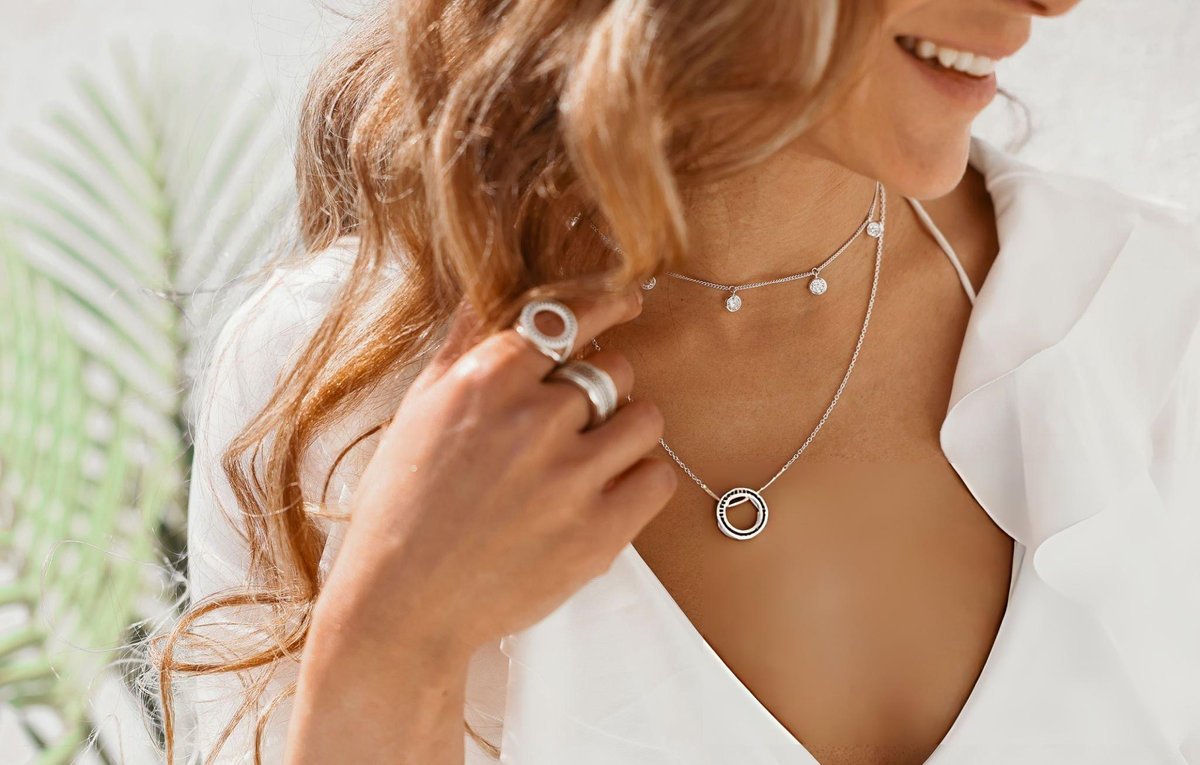
When layering necklaces for a casual setting, avoid wearing multiple chains of the identical thickness or length, as they will easily tangle and look chaotic. Instead, build a graduation of space. Start with a shorter base layer, such as a thin fourteen-karat gold choker or a delicate cable chain resting at sixteen inches. Add a second layer at eighteen inches with a slightly heavier weight, like a rope chain or a box chain. Finish the look with a twenty-four-inch chain holding a meaningful solid gold coin, signet, or gemstone pendant. This structural variety prevents the arrangement from looking overly formal while drawing the eye downward, lengthening the torso.
High-Contrast Textile Pairings
One of the most effective styling techniques involves contrasting the delicate brilliance of fine jewelry against heavy, textured, or utilitarian fabrics. For instance, pairing a shimmering diamond tennis necklace with a rugged denim jacket or a chunky knit wool sweater immediately cuts through the formal reputation of the diamonds. The casual nature of the clothing dial down the ostentatiousness of the stones, making the overall look approachable, modern, and deeply personal.
Curating the Everyday Ear Stack
The rise of multiple ear piercings has changed how individuals approach fine earrings. Instead of choosing a single, matching pair of statement earrings, the modern casual look relies on building an asymmetrical, curated ear stack that stays in place throughout the week.
The Graded Silhouette Formula
A balanced ear stack typically follows a visual hierarchy from the lowest point of the ear upward. In your first lobe piercing, place your largest or most dynamic everyday piece, such as a small pair of thick gold huggie hoops or a modest diamond drop earring. As you move up the lobe and into the cartilage piercings, the size of the jewelry should gradually decrease. Second and third lobe piercings are ideal for tiny diamond studs, delicate gold bars, or minimalist gemstone spheres. Cartilage, helix, and conch piercings look best with seamless, ultra-thin gold hoops that hug the contours of the ear tightly.
Mixing Motifs Independently
The beauty of casual ear styling is that your jewelry does not need to match perfectly from left to right. You can lean into asymmetry by wearing a delicate chain-drop earring on one side and a cluster of classic diamond studs on the other. Keeping the metal color consistent, such as utilizing entirely yellow gold across both ears, provides a unifying element that keeps the intentional asymmetry looking cohesive rather than accidental.
Casual Wrist Stack and Ring Nesting Strategies
Hands and wrists are constantly in motion, making them highly visible areas for expressing personal style. Elevating casual knitwear or casual loungewear can be easily achieved through a thoughtful combination of fine rings and bracelets.
The Casual Wrist Stack
A heavy luxury timepiece can sometimes feel overly corporate or formal when paired with casual attire. You can easily soften its presence by stacking it alongside slim, flexible fine bracelets. Consider placing a thin diamond tennis bracelet or a solid gold bangle on the same wrist as your watch. The dynamic movement of the bracelets against the static structure of the timepiece softens the overall aesthetic. If you are not wearing a watch, a casual wrist stack looks best when it combines different metal profiles, such as a twisted cable cuff paired with a flat herringbone chain bracelet.
Strategic Ring Placement
Nesting fine rings for everyday wear requires a balance between empty skin space and adorned fingers. Rather than stacking every ring onto a single finger or crowding every digit, distribute the visual weight across your hands.
-
Varying Band Widths: Combine a thick, solid gold dome ring on your index finger with two ultra-thin, pavé diamond eternity bands stacked together on your ring finger.
-
The Pinky and Thumb Accent: Do not overlook the outer digits. A minimalist signet ring on the pinky finger or a thick, plain platinum band on the thumb instantly adds an editorial, effortless edge to a casual look.
-
Leaving Negative Space: Always leave at least two fingers entirely bare on each hand to maintain visual breathing room and ensure the jewelry remains practical for daily physical tasks.
Mixing Metals with Confidence
An outdated rule of fashion dictated that a person must commit entirely to one metal color per outfit, wearing either exclusively yellow gold, white gold, silver, or rose gold. Modern styling encourages the deliberate intermingling of different precious metals to build depth and texture.
To achieve a balanced mixed-metal look with casual clothes, aim for a clear ratio rather than an equal division. For example, make yellow gold your primary metal, accounting for roughly seventy percent of your jewelry stack, and use white gold or platinum as a thirty-percent accent. You can seamlessly bridge the two metals by incorporating at least one two-tone piece, such as a ring or a chain that incorporates both yellow and white gold links. This piece acts as a visual anchor, signaling to the observer that the mixture of metals is a conscious, stylized decision.
By treating your fine jewelry as a core component of your daily wardrobe rather than a temporary guest for special events, you unlock the true value of your collection. The juxtaposition of fine gold, platinum, and precious gemstones against soft t-shirts, casual denim, and cozy knitwear creates a compelling personal style that feels simultaneously luxurious, relaxed, and thoroughly grounded in the modern world.
Frequently Asked Questions
Is it safe to wear fine jewelry, such as diamond rings and gold chains, while doing strenuous everyday household chores?
While fine jewelry is highly durable, it is not impervious to damage from mechanical stress and harsh chemicals. Bleach, ammonia, and abrasive cleaning scrubs can dull the finish of precious metals and erode the integrity of gemstone settings over time. It is highly recommended to remove fine rings and bracelets before washing dishes, cleaning house surfaces, or performing heavy lifting to prevent accidental scratching or stone loss.
How can I clean my everyday fine jewelry at home to maintain its brilliance against daily lotion and oil buildup?
Daily exposure to skin oils, body lotions, hairsprays, and soap residue can form a film over diamonds and gold, reducing their natural refraction. You can safely clean most hard gemstone and fine metal pieces by soaking them in a bowl of warm water mixed with a few drops of mild dish soap for fifteen minutes. Gently scrub away remaining residue using a brand-new, ultra-soft-bristled toothbrush, rinse thoroughly with clean water, and dry using a lint-free microfiber cloth.
Can I wear fine jewelry containing pearls or opals as part of a casual daily look?
Pearls and opals are organic, porous gemstones that require specialized care, making them less suited for carefree, high-friction daily wear compared to diamonds or sapphires. They are highly sensitive to acids, cosmetics, perspiration, and sudden shifts in humidity. If you choose to style pearls or opals with a casual outfit, ensure they are the last items you put on after applying perfumes and lotions, and wipe them clean with a soft, damp cloth immediately after removal.
What is the ideal karat of gold for everyday casual jewelry that will not bend or scratch easily?
Pure twenty-four-karat gold is exceptionally soft and prone to bending and scratching, making it unpractical for high-use everyday jewelry. For daily wear, fourteen-karat or eighteen-karat gold offers the perfect compromise between rich metal color and structural longevity. Fourteen-karat gold is particularly resilient for everyday rings and bracelets because it contains a higher percentage of alloying metals like copper and zinc, which significantly increases its hardness.
Will wearing fine necklaces layered together daily cause permanent structural damage to the delicate chain links?
Frequent layering can cause chains to twist and rub against one another, which can result in surface micro-scratches or minor kinking over extended periods. To minimize this friction, always select chains with different weight styles, such as pairing a stiff snake chain with a flexible cable chain, and store them hanging separately at night to ensure any knots can be gently untangled before stress is applied to the links.
How do I style a formal family heirloom piece of jewelry, like an intricate vintage brooch, with a casual outfit?
The best way to modernize a vintage heirloom brooch is to change its traditional placement. Instead of pinning it formally to the lapel of a structured suit coat, use it to fasten the collar of a casual denim button-down shirt, pin it to the pocket of an oversized utility jacket, or secure it to the side of a casual canvas tote bag. This unexpected context strips away the antique stuffiness while highlighting the historical craftsmanship of the piece.

Comments are closed.