Archive

January 2026

Browsing

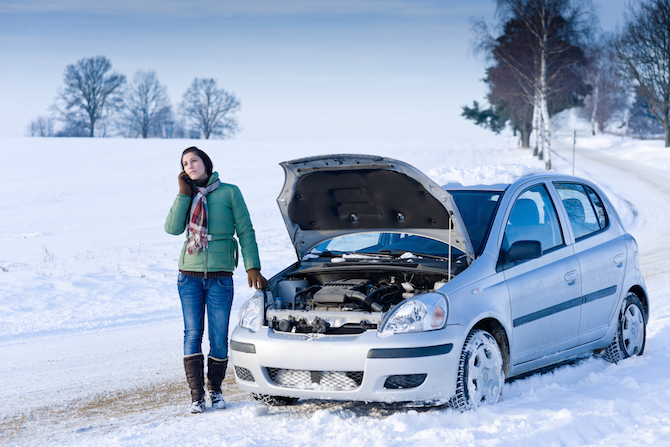
Winter driving introduces a complex set of environmental challenges that can compromise both vehicle operation and occupant safety. Sub-zero temperatures, black ice, sudden snowstorms, and reduced daylight hours significantly elevate the risk of roadside emergencies. While modern vehicles are equipped with advanced traction control and heating systems, mechanical failures or severe weather blockages can still leave drivers stranded.

Preparing a vehicle for winter requires more than just checking the antifreeze levels. It demands stocking the trunk with specialized gear designed to handle extraction, visibility issues, and survival scenarios. Carrying the correct emergency items ensures that you can handle minor inconveniences independently or sustain yourself safely while waiting for professional roadside assistance.

Visual and Clearing Tools for Daily Maintenance

Snow and ice accumulate rapidly, drastically reducing visibility and mechanical functionality. Failing to properly clear a vehicle before driving is a severe safety hazard that can lead to accidents or legal citations. Having heavy-duty clearing tools in your vehicle cabin or trunk is a baseline requirement for winter survival.

Heavy-Duty Ice Scraper and Snow Brush

A standard credit card or a flimsy plastic scraper is entirely insufficient for clearing a thick layer of frozen precipitation. Drivers should invest in a dual-purpose tool featuring a sturdy, wide ice-scraping blade on one end and a thick-bristled brush on the other. Models with telescoping shafts are highly recommended, as they allow the operator to clear the entire roof of large sport utility vehicles and trucks. Neglecting to clear the roof can cause large sheets of ice to fly off at highway speeds, blinding drivers behind you or shattering their windshields.

Compact, Collapsible Shovel

If a vehicle slides off the road into a snowbank or gets plowed into a parking space, tires alone will rarely provide enough power to break free. A collapsible aluminum or high-impact plastic shovel takes up minimal space in the trunk but proves invaluable when you need to dig out snow from around the tires, under the chassis, or away from the exhaust pipe. Keeping the tailpipe clear is particularly critical; if a vehicle is idling while stranded in deep snow, a blocked exhaust can force deadly carbon monoxide gas directly into the passenger cabin.

Traction and Extraction Equipment

Losing traction on ice or packed snow is one of the most common ways drivers become stranded. When tires spin uselessly in a slippery rut, having tools that artificially generate friction or supply starting power can quickly resolve the situation.

Traction Mats or Abrasive Material

When tires cannot grip the surface, placing dedicated traction mats directly beneath the drive wheels can offer the necessary friction to escape a rut. These mats typically feature heavy plastic ridges designed to bite into both the tire tread and the slick snow underneath. As a budget-friendly alternative, carrying a large bag of non-clumping clay cat litter, coarse sand, or even a couple of strips of old carpet can provide a similar abrasive effect when spread directly in the path of the slipping tires.

Premium Jumper Cables or a Portable Jump Starter

Cold weather is notoriously brutal on automotive batteries. Sub-freezing temperatures cause chemical reactions within the battery to slow down, reducing its cranking power by up to fifty percent just when the engine requires more energy to turn over thick, cold oil. Carrying a set of heavy-gauge jumper cables is essential, but a portable lithium-ion jump starter pack offers even greater independence. These compact packs allow you to jump-start your own vehicle without needing to flag down another driver for assistance.

Survival Gear for Extended Standstill Scenarios

In a severe blizzard or a major highway closure, emergency response times can stretch into several hours. If your engine dies or you must turn it off to conserve fuel, the interior temperature of a car will drop to match the ambient outside air within minutes. Maintaining personal core body temperature becomes the primary objective.

Thermal Mylar Blankets and Heavy Clothing

Standard blankets provide comfort, but space-saving Mylar emergency blankets are engineered to reflect up to ninety percent of your radiant body heat back to you. Alongside these blankets, a dedicated winter duffel bag should be kept in the trunk. This bag should contain spare heavy wool socks, insulated waterproof gloves, a fleece hat that covers the ears, and an extra winter coat. If you must step outside the vehicle to dig out snow or change a tire, keeping your hands and feet completely dry is the first line of defense against frostbite.

High-Calorie, Non-Perishable Food and Water

The human body burns significantly more calories in cold weather as it shivers to generate heat. Storing a supply of high-calorie, non-perishable snacks such as protein bars, nuts, dried fruit, or beef jerky ensures you can maintain energy levels during an extended wait. Storing water in a vehicle during winter can be tricky because freezing temperatures will crack rigid plastic bottles. To prevent this, use flexible water pouches or heavy-duty insulated flasks, leaving a small amount of headspace at the top to accommodate expansion as the water freezes.

Communication and Signaling Devices

Being stranded is hazardous, but being stranded and invisible to passing traffic or emergency vehicles is far worse. Winter storms drastically reduce visibility, making signaling devices a critical part of your roadside setup.

  • LED Road Flares: Traditional incendiary flares work well but burn out quickly and present a fire hazard. Modern battery-powered LED electronic beacons can flash for hours, feature magnetic bases to attach directly to your car roof, and are highly visible through dense, falling snow.

  • Hand-Crank or Battery-Powered Flashlight: Relying on a smartphone flashlight will rapidly deplete the phone battery, which must be saved for emergency calls. A dedicated, waterproof flashlight with extra lithium batteries, which perform better in cold temperatures than alkaline batteries, is necessary.

  • Backup Power Bank and Charging Cords: A dead phone cuts off your primary lifeline to towing services or emergency dispatchers. Keep a fully charged, high-capacity external power bank in your glove compartment, checking its charge capacity every few months.

Frequently Asked Questions

Why is it recommended to use lithium batteries instead of standard alkaline batteries in winter car flashlights?

Alkaline batteries rely on an aqueous chemical solution to generate power, which slows down dramatically and loses significant voltage when exposed to sub-freezing temperatures. Lithium batteries utilize a different chemical composition that resists extreme cold, allowing them to retain power and discharge efficiently even in temperatures well below zero.

How does keeping a full tank of gas help during winter driving emergencies?

Maintaining at least a half-tank of fuel, and preferably a full tank, serves two purposes. Mechanically, it minimizes the volume of empty air inside the fuel tank, preventing moisture from condensing and freezing inside the fuel lines. Logistically, if you become stranded, a full tank allows you to safely idle the engine for short intervals to run the heater and stay warm over an extended period.

Can I use regular windshield washer fluid during the winter months?

Regular blue windshield washer fluid formulated for summer use is primarily water and will freeze solid inside the reservoir tank and pump lines when temperatures drop. Winter-specific washer fluids contain high concentrations of alcohol or antifreeze agents, allowing them to remain liquid down to minus twenty degrees Fahrenheit or lower while actively melting ice on the windshield.

Why should I avoid using a tire inflator kit that uses liquid sealant during extreme cold?

Many emergency tire sealant liquids can freeze or become highly viscous in sub-zero temperatures, preventing them from flowing evenly through the tire valve stem. Additionally, if the liquid does enter the tire, the cold can prevent it from curing and sealing the puncture properly, rendering the kit ineffective until the tire is warmed up.

What is the advantage of using chemical hand warmers over regular winter gloves?

While heavy winter gloves insulate your hands to retain your existing body heat, they cannot generate new heat. If your hands become wet or chilled during vehicle extraction work, chemical hand warmers use an exothermic reaction to actively produce external heat for several hours, which can quickly safely restore circulation to numb fingers.

Should I stay inside my vehicle or walk for help if I get stuck in a winter storm?

Unless shelter is visible within a few yards, you should almost always stay inside your vehicle. A car provides immediate shelter from wind-chill and heavy snow, making you far easier for rescue teams to spot. Walking in a blizzard can quickly lead to disorientation, hypothermia, and exhaustion, especially when visibility is low.

How often should I check and maintain the emergency products stored in my trunk?

Winter emergency kits should be thoroughly inspected at least twice a year, specifically at the start of autumn and the end of winter. During these checks, you should test the charge on portable power banks and jump starters, replace any expired food items, verify the expiration dates on first aid supplies, and check that flashlights are functioning correctly.

The traditional image of buying a car is deeply woven into the consumer consciousness. For decades, the process remained virtually unchanged. A customer walked onto a sprawling asphalt lot, braved a gauntlet of salespeople, sat through hours of negotiation in a cramped cubicle, and finally spent half a day in a back office signing a mountain of paperwork. It was a high-friction environment that often prioritized transactional speed over consumer comfort.

Today, that outdated model is undergoing a massive transformation. Driven by shifts in consumer expectations, the rapid rise of electric vehicles, and sophisticated digital retail tools, innovative automotive dealerships are completely reimagining the physical environment. The modern car showroom is evolving from a high-pressure sales floor into a transparent, technology-driven, and hospitable experience hub.

The Death of the Cubicle: Architectural Shifts

One of the most noticeable differences in a modern dealership is the physical architecture. The barrier-driven layouts of the past are disappearing. In their place, dealers are constructing open, flexible environments designed to reduce buyer anxiety and foster collaboration.

Transparency Through Design

Older dealerships heavily utilized opaque office walls and elevated manager desks, which intentionally or unintentionally created an adversarial atmosphere. Modern facilities counter this by using extensive glass partitions, open sightlines, and centralized reception areas. When a customer can see every part of the operations, including the service bays and finance areas, it subliminally signals operational honesty and structural transparency.

From Waiting Areas to Hospitality Lounges

The depressing waiting room with stale coffee and a single television has been replaced by upscale hospitality spaces. Modern showrooms regularly feature high-end cafes, semi-private workstations with high-speed internet, charging stations, and dedicated children’s play areas. By mirroring the ambiance of a premium boutique hotel or a luxury coffee shop, dealers encourage customers to relax, transforming necessary wait times during vehicle delivery or servicing into a pleasant lifestyle experience.

The Omnichannel Integration: Merging Digital and Physical Worlds

The modern car buyer does not start their journey at the dealership. Statistical trends show that consumers spend weeks researching models, comparing trim levels, calculating trade-in values, and exploring financing options online before ever setting foot on a physical lot. The primary challenge for modern dealers is ensuring that when a consumer transitions from their smartphone or laptop to the brick-and-mortar store, the experience remains perfectly seamless.

Erasing the Data Disconnect

Historically, a customer who configured a vehicle online would arrive at the dealership only to find that the local sales staff had no record of their preferences, forcing them to start the process from scratch. Today, unified Dealer Management Systems act as a single source of truth. Sales professionals equipped with tablets can instantly access a customer’s saved digital profile, online cart, or pre-qualification status the moment they check in.

Interactive Configurator Tools

Physical space constraints mean a dealer can rarely showcase every exterior paint color, interior fabric upholstery, or wheel option on the physical floor. Modern showrooms solve this constraint by utilizing large interactive touchscreens, digital video walls, and virtual reality headsets. Customers can customize a vehicle in real-time, view a life-sized three-dimensional rendering of their creation, and even simulate driving conditions, bridging the gap between imagination and reality.

The Evolving Role of Sales Personnel

As technology assumes the responsibility of providing basic product specifications and inventory availability, the human role within the showroom must adapt accordingly. The modern salesperson is no longer an aggressive gatekeeper of information; instead, they operate as product specialists, brand ambassadors, and technology consultants.

Product Specialists Over Pressure Tactics

Because consumers arrive highly educated on pricing and features, sales teams are pivoting toward a consultative approach. Their responsibility is to address highly specific questions, explain complex driver-assistance features, and assist buyers in determining which trim level genuinely matches their daily driving habits. The emphasis has shifted entirely away from high-pressure closing tactics and toward relationship building and brand education.

Navigating the Electric Vehicle Transition

The mainstream adoption of electric vehicles requires dealerships to serve as educational centers. First-time electric vehicle buyers frequently experience anxiety regarding driving range, battery degradation, and home charging logistics. Modern dealership personnel are extensively trained to demystify these topics, helping buyers understand local utility rebates, public charging infrastructure networks, and the installation process for residential equipment.

Streamlining the Finance and Insurance Process

The traditional Finance and Insurance office has long been considered the biggest bottleneck in the automotive retail chain. Spending hours reviewing warranty options and waiting for bank approvals can easily sour an otherwise exciting purchase. Progressive car dealers are leveraging digital tools to drastically compress this timeline.

Pre-Arrival Financing and E-Signatures

By allowing customers to securely upload identification documents, value their trade-in vehicles via precise algorithmic valuation tools, and secure financing approvals online, modern dealerships can complete up to eighty percent of the transactional work before the buyer arrives. When the customer enters the showroom, the final step is simply a quick physical vehicle inspection, a brief test drive verification, and the digital signing of paperwork via e-contracting platforms. What once took four hours can now be finalized in under thirty minutes.

Consultative Menu Selling

Transparency has also reached the warranty and protection product phase. Instead of utilizing high-pressure sales pitches for extended service contracts or wheel-and-tire protection packages, modern dealers present these options through clear, interactive tablet menus. Customers can easily adjust variables, see how different products impact their exact monthly payments, and read plain-language descriptions of what is covered, which fosters a sense of personal control over the final contract details.

Prioritizing Post-Sale Retention and Service Drive Integration

A modern showroom experience is no longer viewed as a single, isolated transaction. Dealerships understand that vehicle sales build initial visibility, but long-term profitability and business stability reside in owner loyalty and routine vehicle maintenance. Consequently, the physical showroom is being structurally integrated with the service drive to establish a continuous relationship loop.

  • Integrated Valet Bays: Customers arriving for service are welcomed into enclosed, climate-controlled drive-in bays, shielding them from inclement weather.

  • Transparent Digital Inspections: Technicians perform vehicle diagnostics utilizing tablets, capturing high-definition photos or videos of components requiring attention, which are then texted directly to the customer for seamless, transparent approval.

  • Connected Car Telematics: Modern vehicles automatically transmit maintenance alerts and fault codes directly to the dealership, allowing service teams to reach out proactively to schedule appointments before an actual mechanical failure occurs.

By eliminating historical friction points and replacing high-pressure sales environments with welcoming, transparent, and technology-driven retail hubs, modern car dealers are successfully safeguarding their brick-and-mortar relevance. They are demonstrating that even in a highly digitized world, the physical showroom remains a vital, enjoyable asset within the modern car-buying journey.

Frequently Asked Questions

What should I do if the vehicle configuration I created online is not available at the physical showroom?

Modern showrooms use large-scale digital video walls and interactive tablet applications that pull real-time inventory metrics from regional sister stores, incoming factory shipments, and vehicle logistical pipelines. If your exact configuration is not physically on the showroom floor, a product specialist can pull up a highly detailed, identical three-dimensional digital rendering of the vehicle and initiate a dealer trade or a direct factory order on your behalf.

How do modern dealerships handle vehicle test drives if they are located in dense urban environments without large lots?

Many modern urban showrooms utilize decentralized test-drive hubs or dedicated garage spaces. Additionally, progressive dealers frequently offer remote test-drive programs where a product specialist brings the chosen vehicle directly to your home or workplace, allowing you to evaluate the vehicle along your actual daily commuting routes rather than a generic loop around a dealership lot.

Can I complete my car purchase entirely online without ever setting foot inside a modern showroom?

Yes, many modern automotive retailers provide completely end-to-end e-commerce platforms. This allows you to select a vehicle, calculate taxes, secure financing, value your trade-in, sign all legally binding contracts digitally, and arrange for the vehicle to be delivered directly to your driveway. However, industry trends indicate that the vast majority of consumers still prefer a hybrid approach, executing the paperwork online but visiting the physical showroom to perform a final test drive and receive a feature walkthrough.

Do modern showrooms offer specialized support for understanding electric vehicle battery health when buying used?

Modern dealerships utilize advanced diagnostic tools that generate certified battery health reports for pre-owned electric vehicles. These readouts show the current maximum energy capacity relative to when the vehicle was factory new, giving buyers precise clarity on battery degradation and remaining warranty coverage before making a purchase decision.

Why do some modern showrooms feature lifestyle merchandise shops and cafes alongside actual vehicles?

The objective is to pivot the automotive dealership from a purely transactional space into a lifestyle and community hub. Creating environments with high-end amenities encourages brand enthusiasts and local car owners to visit the facility more frequently, which naturally increases service department utilization, boosts accessory sales, and builds long-term brand loyalty.

How do digital trade-in valuation tools used in showrooms differ from old-school manual vehicle appraisals?

Traditional appraisals relied heavily on subjective visual inspections and physical book reference guides, which often led to disagreements over value. Modern showrooms utilize automated diagnostic scanners and data-driven valuation software that pulls real-time local market availability, historical auction data, and algorithmic vehicle history insights to generate an objective, transparent, and market-reflective trade offer within minutes.