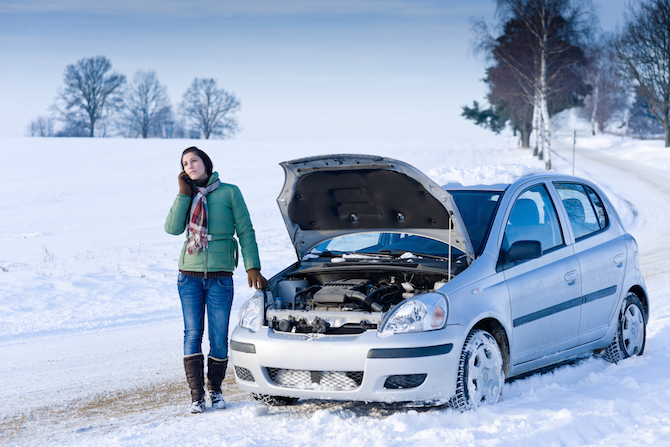
Winter driving introduces a complex set of environmental challenges that can compromise both vehicle operation and occupant safety. Sub-zero temperatures, black ice, sudden snowstorms, and reduced daylight hours significantly elevate the risk of roadside emergencies. While modern vehicles are equipped with advanced traction control and heating systems, mechanical failures or severe weather blockages can still leave drivers stranded.
Preparing a vehicle for winter requires more than just checking the antifreeze levels. It demands stocking the trunk with specialized gear designed to handle extraction, visibility issues, and survival scenarios. Carrying the correct emergency items ensures that you can handle minor inconveniences independently or sustain yourself safely while waiting for professional roadside assistance.
Visual and Clearing Tools for Daily Maintenance
Snow and ice accumulate rapidly, drastically reducing visibility and mechanical functionality. Failing to properly clear a vehicle before driving is a severe safety hazard that can lead to accidents or legal citations. Having heavy-duty clearing tools in your vehicle cabin or trunk is a baseline requirement for winter survival.
Heavy-Duty Ice Scraper and Snow Brush
A standard credit card or a flimsy plastic scraper is entirely insufficient for clearing a thick layer of frozen precipitation. Drivers should invest in a dual-purpose tool featuring a sturdy, wide ice-scraping blade on one end and a thick-bristled brush on the other. Models with telescoping shafts are highly recommended, as they allow the operator to clear the entire roof of large sport utility vehicles and trucks. Neglecting to clear the roof can cause large sheets of ice to fly off at highway speeds, blinding drivers behind you or shattering their windshields.
Compact, Collapsible Shovel
If a vehicle slides off the road into a snowbank or gets plowed into a parking space, tires alone will rarely provide enough power to break free. A collapsible aluminum or high-impact plastic shovel takes up minimal space in the trunk but proves invaluable when you need to dig out snow from around the tires, under the chassis, or away from the exhaust pipe. Keeping the tailpipe clear is particularly critical; if a vehicle is idling while stranded in deep snow, a blocked exhaust can force deadly carbon monoxide gas directly into the passenger cabin.
Traction and Extraction Equipment
Losing traction on ice or packed snow is one of the most common ways drivers become stranded. When tires spin uselessly in a slippery rut, having tools that artificially generate friction or supply starting power can quickly resolve the situation.
Traction Mats or Abrasive Material
When tires cannot grip the surface, placing dedicated traction mats directly beneath the drive wheels can offer the necessary friction to escape a rut. These mats typically feature heavy plastic ridges designed to bite into both the tire tread and the slick snow underneath. As a budget-friendly alternative, carrying a large bag of non-clumping clay cat litter, coarse sand, or even a couple of strips of old carpet can provide a similar abrasive effect when spread directly in the path of the slipping tires.
Premium Jumper Cables or a Portable Jump Starter
Cold weather is notoriously brutal on automotive batteries. Sub-freezing temperatures cause chemical reactions within the battery to slow down, reducing its cranking power by up to fifty percent just when the engine requires more energy to turn over thick, cold oil. Carrying a set of heavy-gauge jumper cables is essential, but a portable lithium-ion jump starter pack offers even greater independence. These compact packs allow you to jump-start your own vehicle without needing to flag down another driver for assistance.
Survival Gear for Extended Standstill Scenarios
In a severe blizzard or a major highway closure, emergency response times can stretch into several hours. If your engine dies or you must turn it off to conserve fuel, the interior temperature of a car will drop to match the ambient outside air within minutes. Maintaining personal core body temperature becomes the primary objective.
Thermal Mylar Blankets and Heavy Clothing
Standard blankets provide comfort, but space-saving Mylar emergency blankets are engineered to reflect up to ninety percent of your radiant body heat back to you. Alongside these blankets, a dedicated winter duffel bag should be kept in the trunk. This bag should contain spare heavy wool socks, insulated waterproof gloves, a fleece hat that covers the ears, and an extra winter coat. If you must step outside the vehicle to dig out snow or change a tire, keeping your hands and feet completely dry is the first line of defense against frostbite.
High-Calorie, Non-Perishable Food and Water
The human body burns significantly more calories in cold weather as it shivers to generate heat. Storing a supply of high-calorie, non-perishable snacks such as protein bars, nuts, dried fruit, or beef jerky ensures you can maintain energy levels during an extended wait. Storing water in a vehicle during winter can be tricky because freezing temperatures will crack rigid plastic bottles. To prevent this, use flexible water pouches or heavy-duty insulated flasks, leaving a small amount of headspace at the top to accommodate expansion as the water freezes.
Communication and Signaling Devices
Being stranded is hazardous, but being stranded and invisible to passing traffic or emergency vehicles is far worse. Winter storms drastically reduce visibility, making signaling devices a critical part of your roadside setup.
-
LED Road Flares: Traditional incendiary flares work well but burn out quickly and present a fire hazard. Modern battery-powered LED electronic beacons can flash for hours, feature magnetic bases to attach directly to your car roof, and are highly visible through dense, falling snow.
-
Hand-Crank or Battery-Powered Flashlight: Relying on a smartphone flashlight will rapidly deplete the phone battery, which must be saved for emergency calls. A dedicated, waterproof flashlight with extra lithium batteries, which perform better in cold temperatures than alkaline batteries, is necessary.
-
Backup Power Bank and Charging Cords: A dead phone cuts off your primary lifeline to towing services or emergency dispatchers. Keep a fully charged, high-capacity external power bank in your glove compartment, checking its charge capacity every few months.
Frequently Asked Questions
Why is it recommended to use lithium batteries instead of standard alkaline batteries in winter car flashlights?
Alkaline batteries rely on an aqueous chemical solution to generate power, which slows down dramatically and loses significant voltage when exposed to sub-freezing temperatures. Lithium batteries utilize a different chemical composition that resists extreme cold, allowing them to retain power and discharge efficiently even in temperatures well below zero.
How does keeping a full tank of gas help during winter driving emergencies?
Maintaining at least a half-tank of fuel, and preferably a full tank, serves two purposes. Mechanically, it minimizes the volume of empty air inside the fuel tank, preventing moisture from condensing and freezing inside the fuel lines. Logistically, if you become stranded, a full tank allows you to safely idle the engine for short intervals to run the heater and stay warm over an extended period.
Can I use regular windshield washer fluid during the winter months?
Regular blue windshield washer fluid formulated for summer use is primarily water and will freeze solid inside the reservoir tank and pump lines when temperatures drop. Winter-specific washer fluids contain high concentrations of alcohol or antifreeze agents, allowing them to remain liquid down to minus twenty degrees Fahrenheit or lower while actively melting ice on the windshield.
Why should I avoid using a tire inflator kit that uses liquid sealant during extreme cold?
Many emergency tire sealant liquids can freeze or become highly viscous in sub-zero temperatures, preventing them from flowing evenly through the tire valve stem. Additionally, if the liquid does enter the tire, the cold can prevent it from curing and sealing the puncture properly, rendering the kit ineffective until the tire is warmed up.
What is the advantage of using chemical hand warmers over regular winter gloves?
While heavy winter gloves insulate your hands to retain your existing body heat, they cannot generate new heat. If your hands become wet or chilled during vehicle extraction work, chemical hand warmers use an exothermic reaction to actively produce external heat for several hours, which can quickly safely restore circulation to numb fingers.
Should I stay inside my vehicle or walk for help if I get stuck in a winter storm?
Unless shelter is visible within a few yards, you should almost always stay inside your vehicle. A car provides immediate shelter from wind-chill and heavy snow, making you far easier for rescue teams to spot. Walking in a blizzard can quickly lead to disorientation, hypothermia, and exhaustion, especially when visibility is low.
How often should I check and maintain the emergency products stored in my trunk?
Winter emergency kits should be thoroughly inspected at least twice a year, specifically at the start of autumn and the end of winter. During these checks, you should test the charge on portable power banks and jump starters, replace any expired food items, verify the expiration dates on first aid supplies, and check that flashlights are functioning correctly.