
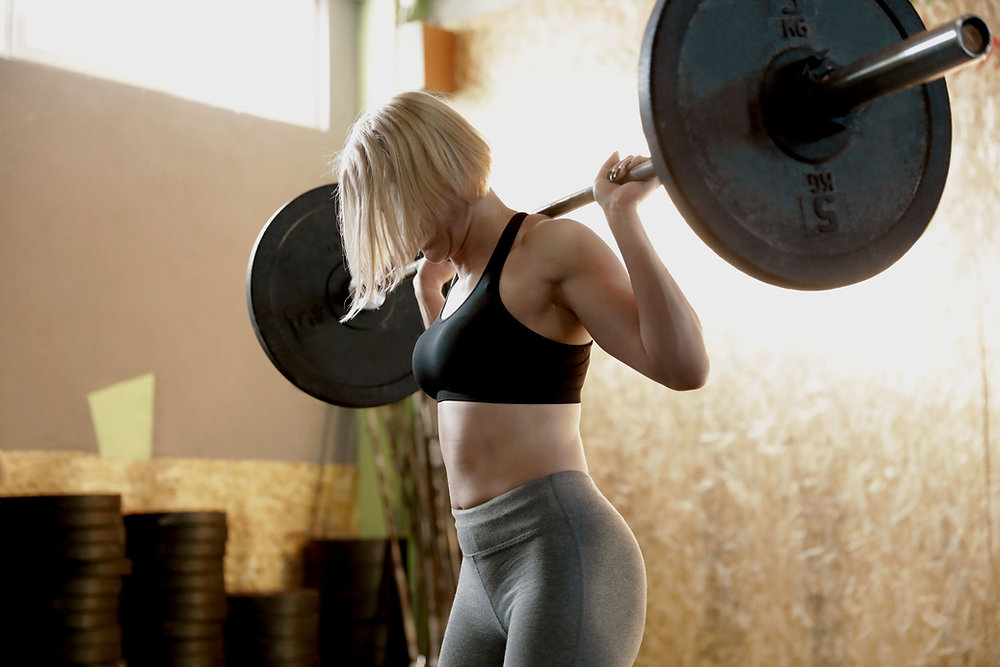
Fitness often changes after 35. Work pressure may be higher, recovery may feel different, family responsibilities may take more energy, and the body may not respond to random workouts the same way it once did. Many women also become more aware of strength, posture, body composition, and long-term health rather than chasing only fast weight loss.
This is why personal training singapore can be helpful for women who want strength training that fits their body, schedule, and goals. Tailored coaching helps move beyond generic workouts and creates a plan that considers training history, confidence, movement quality, lifestyle stress, and realistic progression.
Strength Training Is Not Only About Building Muscle
Strength training is often misunderstood. Some women avoid weights because they worry about becoming bulky, looking too muscular, or losing flexibility. In reality, strength training can support a wide range of goals.
It can help with:
- Muscle tone
- Better posture
- Stronger bones
- Daily energy
- Joint support
- Body composition
- Confidence
- Core strength
- Functional movement
- Healthy aging
The goal does not need to be extreme. Strength training can be elegant, controlled, and practical.
Why Women Over 35 Need a More Tailored Approach
After 35, many women are juggling several demands at once. Careers, children, relationships, aging parents, social commitments, and personal health all compete for time. A workout plan that ignores these realities may not last.
A tailored approach considers the person’s actual week. It asks what is realistic, not what looks impressive online.
For example, a woman with three available training days needs a different plan from someone who can train five times weekly. Someone who sleeps poorly due to family responsibilities may need different intensity than someone with more recovery.
Training should fit life, not fight it.
Strength Supports Body Composition
Many women focus on cardio when they want to change body shape. Cardio can be useful, but strength training plays a major role in body composition. It helps build and preserve lean muscle, which can change how the body looks and feels.
The scale may not always move quickly, but clothing fit, posture, strength, and shape can improve. This is especially important for women who feel frustrated by weight-focused goals.
Strength training can help shift the focus from becoming smaller to becoming stronger, more capable, and more confident.
Tailored Coaching Helps Avoid Random Exercise
Many women train inconsistently because they follow random workouts from apps, social media, or old routines. One day may be legs, another day abs, another day intense cardio, then nothing for a week. This randomness can reduce progress.
A tailored strength plan gives direction. It usually includes:
- Main movement patterns
- Progressive resistance
- Balanced muscle work
- Recovery planning
- Mobility support
- Technique coaching
- Goal-based tracking
This makes training feel more purposeful.
Technique Builds Confidence
Strength training can feel intimidating if someone is unsure about form. This is especially true in free weight areas where people may feel watched or judged. A coach can make the process more comfortable by teaching technique step by step.
Good technique helps women feel confident with movements such as squats, hip hinges, presses, rows, lunges, and core exercises. Confidence grows when movements begin to feel familiar and controlled.
Over time, the gym becomes less intimidating.
Strength Training Helps With Posture
Modern life creates posture challenges. Desk work, phone use, driving, and carrying bags can affect shoulders, neck, hips, and back. Strength training can help support better alignment by developing muscles that keep the body stable.
Useful focus areas include:
- Upper back
- Glutes
- Core
- Hamstrings
- Shoulders
- Hips
- Deep stabilizing muscles
Posture is not fixed by one exercise, but a consistent strength routine can help the body feel stronger and better supported.
Recovery Needs to Be Respected
Some women over 35 try to train intensely every day because they feel pressure to get results quickly. This can backfire. Recovery is essential for strength gains, energy, and consistency.
A tailored plan includes recovery as part of the strategy. It may alternate harder strength sessions with mobility, walking, yoga, or lower-intensity cardio. This creates a routine that the body can actually sustain.
Rest is not weakness. It is part of adaptation.
Strength Training Can Support Confidence During Life Transitions
Women often experience fitness changes during major life stages. Pregnancy, postpartum recovery, career growth, hormonal changes, stress, and aging can all affect how training feels. A generic workout may not address these transitions well.
Tailored coaching can help adjust exercise selection, intensity, and goals based on where the person is now.
This support can be especially valuable when a woman feels disconnected from her body or unsure how to restart fitness safely.
The Importance of Progressive Overload
Progressive overload means gradually increasing the challenge over time. This may involve heavier weights, more repetitions, better range of motion, slower control, or more stable technique.
Without progression, strength training becomes maintenance. That is not always bad, but it may not create the changes someone wants.
A coach can manage progression intelligently. The goal is steady improvement, not reckless intensity.
Strength Training Should Feel Empowering
A good strength program should not make women feel punished. It should help them feel capable. The language around training matters. Fitness should not be framed only around burning calories, shrinking body parts, or fixing flaws.
Better goals include:
- Feeling stronger
- Lifting with confidence
- Moving better
- Improving energy
- Building shape
- Reducing stiffness
- Training consistently
- Supporting long-term health
This mindset can make strength training more positive and sustainable.
Cardio Still Has a Place
Tailored strength training does not mean ignoring cardio. Cardio can support stamina, heart health, and energy. The key is balance.
Women over 35 may benefit from a mix of strength, moderate cardio, mobility, and recovery. This combination is often more sustainable than relying only on high-intensity sessions.
Building a Realistic Weekly Plan
A practical weekly plan may include:
- Two or three strength sessions
- One cardio or cycling session
- One mobility or yoga session
- Walking on non-gym days
- One or two full rest days
The exact routine depends on goals, time, and recovery. The best plan is the one that can be repeated.
Why the Right Environment Matters
Women may feel more consistent when they train in an environment that feels professional, clean, supportive, and varied. Access to machines, free weights, classes, and coaching gives more flexibility.
A strong training environment helps women move from uncertainty to confidence.
Finding Support That Fits
Tailored strength training is not about following a perfect plan forever. It is about learning how the body responds and building a routine that can evolve.
For women comparing fitness options, True Fitness Singapore may be relevant when looking for a structured indoor environment that supports strength, coaching, class variety, and long-term training confidence.
FAQ
Will strength training make women bulky?
Most women do not become bulky from normal strength training. Building large amounts of muscle requires specific training, nutrition, and time. Strength training usually improves tone, strength, and shape.
How often should women over 35 lift weights?
Two to three sessions per week can work well for many women. The right frequency depends on goals, experience, and recovery.
Is cardio still needed with strength training?
Yes, cardio can support stamina and general fitness. It works best when balanced with strength and recovery.
Is personal coaching useful for women who already exercise?
Yes. Coaching can refine technique, improve programming, and help break through plateaus.

Comments are closed.